Not a prompt box. A pre-production engine.
Most AI tools hand you a blank box and hope. Fieldnotes is built for one job: turning the notes you already have into a shoot you can run. It reads your mess, plans coverage like a filmmaker, renders your real people, and grounds every fact in the real world, with you approving every step.
Five hard problems, handled.
Each of these is genuinely hard, and there’s real AI doing the heavy lifting. It only ever works the way you point it, tuned for how documentary and unscripted work actually gets made.
It reads whatever you already have.
Treatments, outlines, a Word doc, a PDF, photos of handwritten notes, voice memos from the car. Fieldnotes works out what each piece is and pulls the real signal out of it, so there is nothing to format or retype first.
It structures the whole film.
Fieldnotes turns that pile into one clean outline and a full scene breakdown: sequences and beats, plus the locations and characters it found. Anything it is unsure about gets flagged, in coral, so you can fix it in seconds instead of hunting for it later.
It plans coverage like a director.
For each scene Fieldnotes plans real coverage, masters, coverage, and inserts, the way a DP breaks down a day. You get a shot list with intent behind it, not one generic picture per scene.
It renders your real characters.
Fieldnotes draws every frame against the face reference you upload, so the same real person appears shot after shot. Sketch drafts to block things out, photoreal finals for your hero frames, adjustable in plain English.
It grounds the facts in the real world.
Fieldnotes researches the area with live web search the moment you generate: the actual nearest hospital, the real upcoming forecast, where a working crew actually eats. What you print is true, not invented.
Built for film, and only film.
This isn’t a general chatbot with a film skin. The AI is tuned end to end for how documentary and unscripted work actually gets made.
The same real face, in every frame.
Upload a photo of each subject once. Fieldnotes locks that likeness to a reference, so your character shows up as the same person in every shot you generate, not a different stranger each time. This is the thing most AI storyboards get wrong, and the reason the boards actually look like your film.
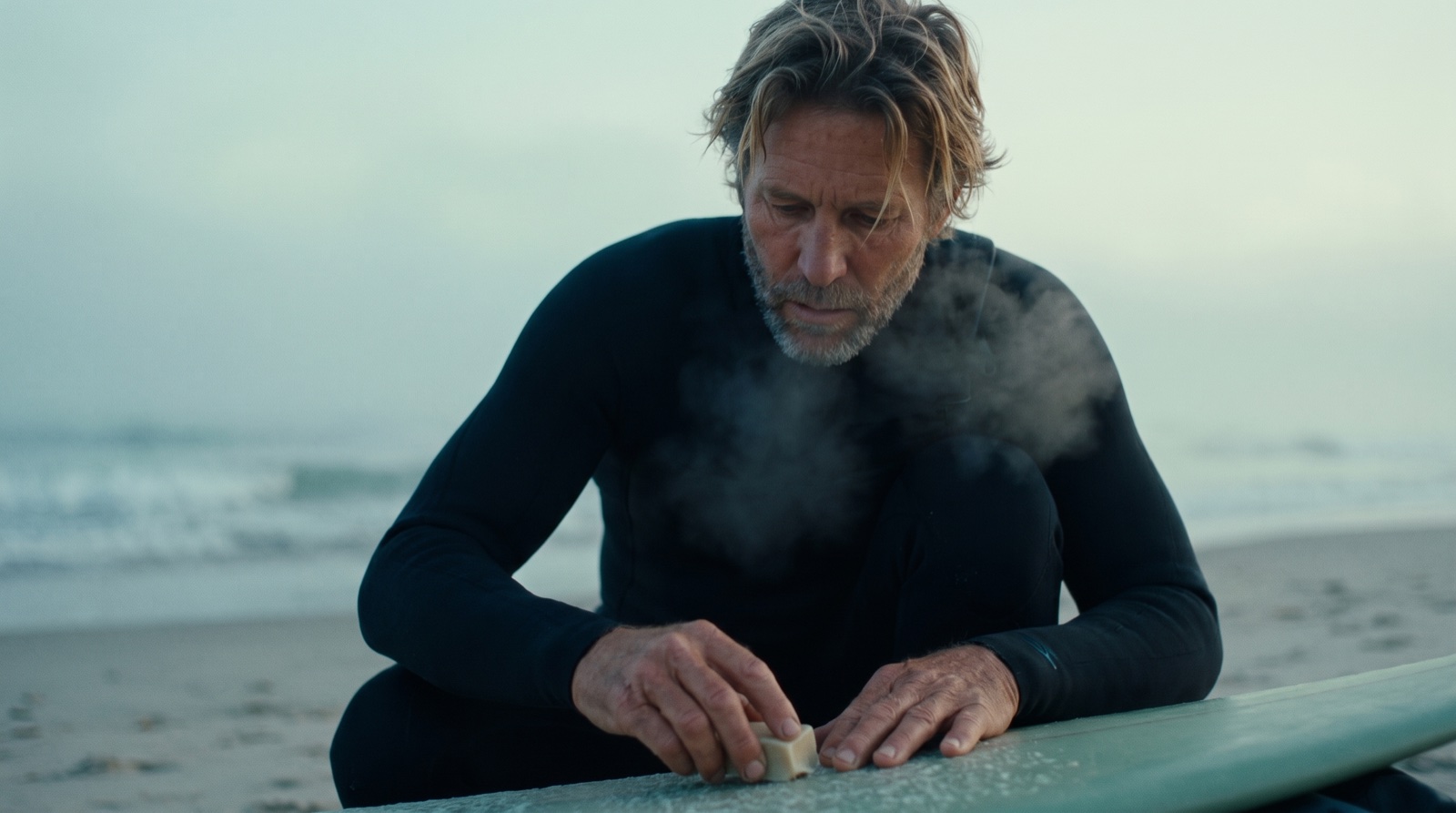
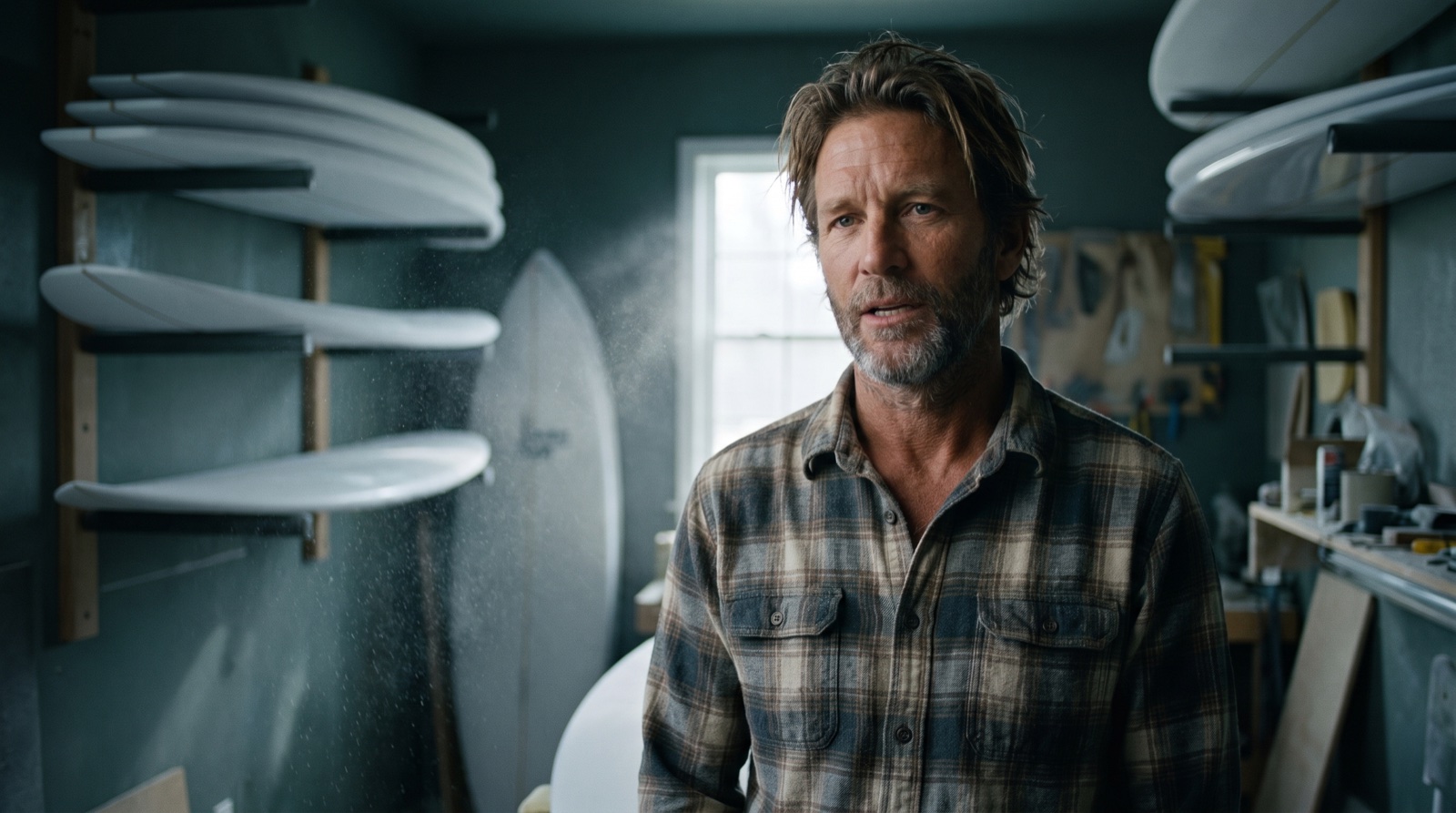
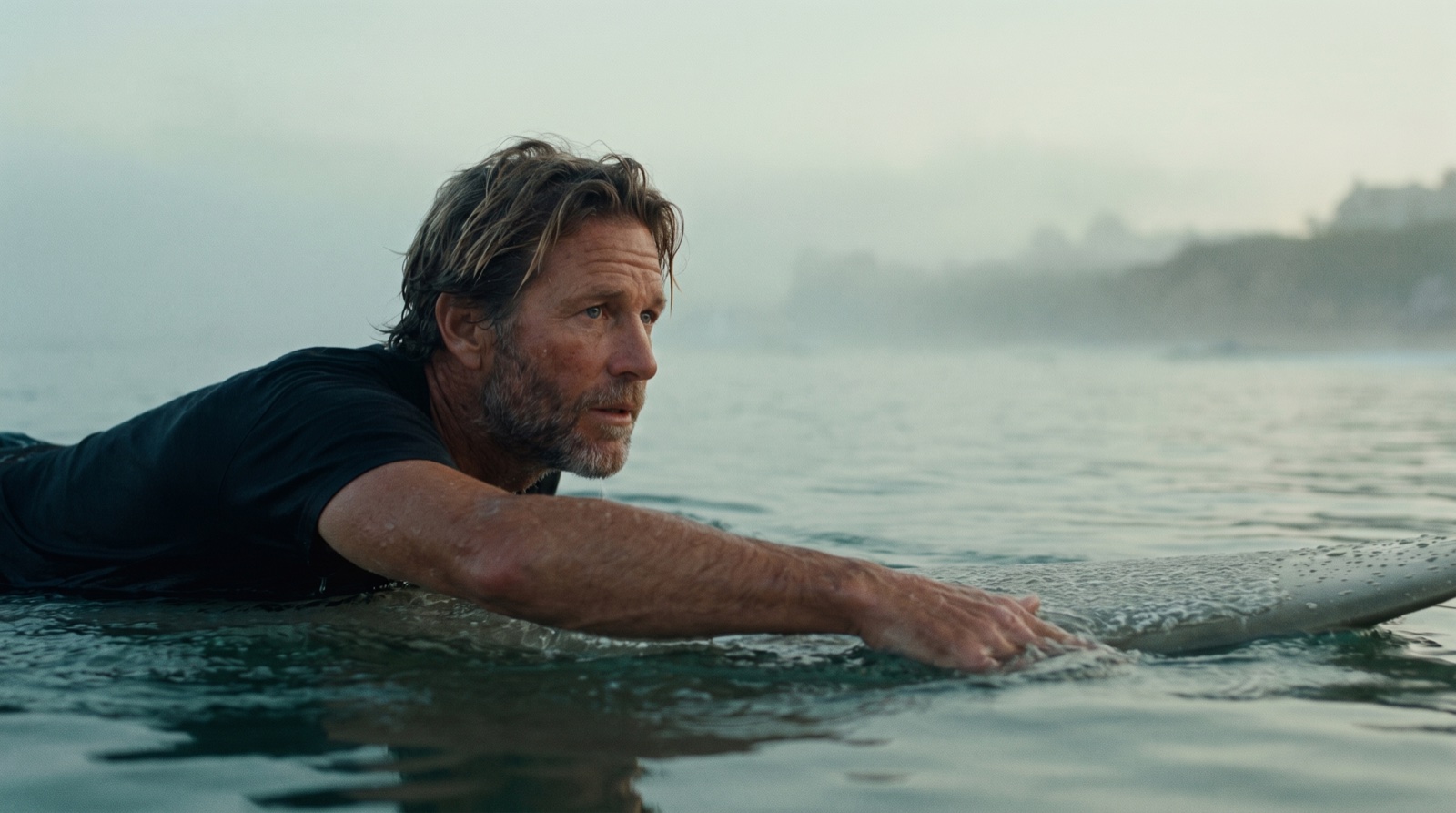
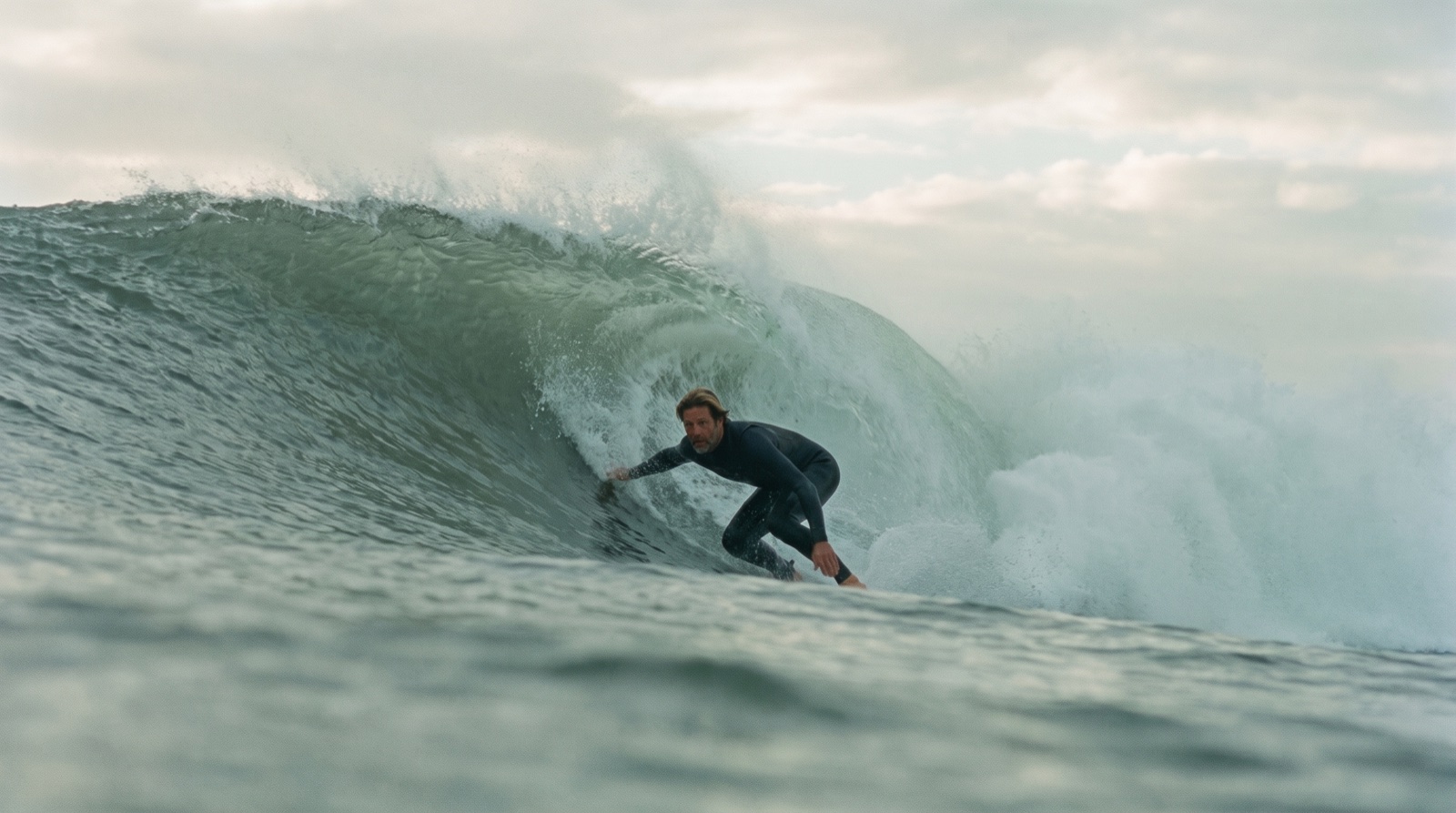
One subject, one reference, four frames
You are always in the chair.
The AI drafts. You decide. It shows you what it understood and flags anything it is unsure about before anything is generated. Nothing that costs a credit runs until you confirm, and every outline, frame, and strip is editable. Re-roll a shot, adjust one in plain English, or rewrite a beat by hand.
- Drafts you approve, never final answers
- Nothing paid runs before you confirm
- Edit, re-roll, or overrule anything
Your work stays yours.
Your treatments, footage, and subjects are used to make your project, and nothing else. They are not used to train models. Your pre-pro book is private to you and the crew you invite unless you choose to make its link public, and you can delete a production, or your whole account, at any time.
- Never used to train models
- Private until you share it
- Delete anything, anytime
Powerful AI, always in your hands.
Behind the scenes, Fieldnotes runs on frontier AI, three kinds working together to turn your notes into a plan you can shoot. It does the heavy lifting, and you make every call: approve what lands, reshape what doesn’t, and generate only when you’re ready. The story stays yours, start to finish.
Reading & structure
Read everything you drop in and shape it into an outline, a scene breakdown, and a schedule.
Your frames
Draw and finish every shot against your character references, so the boards look like your film.
Grounded facts
Check the area guide against the real world the moment you generate: weather, safety, the works.
The best way to get it is to watch it work.
Bring the messy notes you already have. See the engine turn them into a plan in an afternoon.